Extensive experience in stone treatment
A urology specialist reviews symptoms and results, selecting a plan according to the location and condition of the stone.
 MEDIRAUMUrologyGlobal
The experience of a urology specialist,
with electromagnetic shock wave lithotripsy.
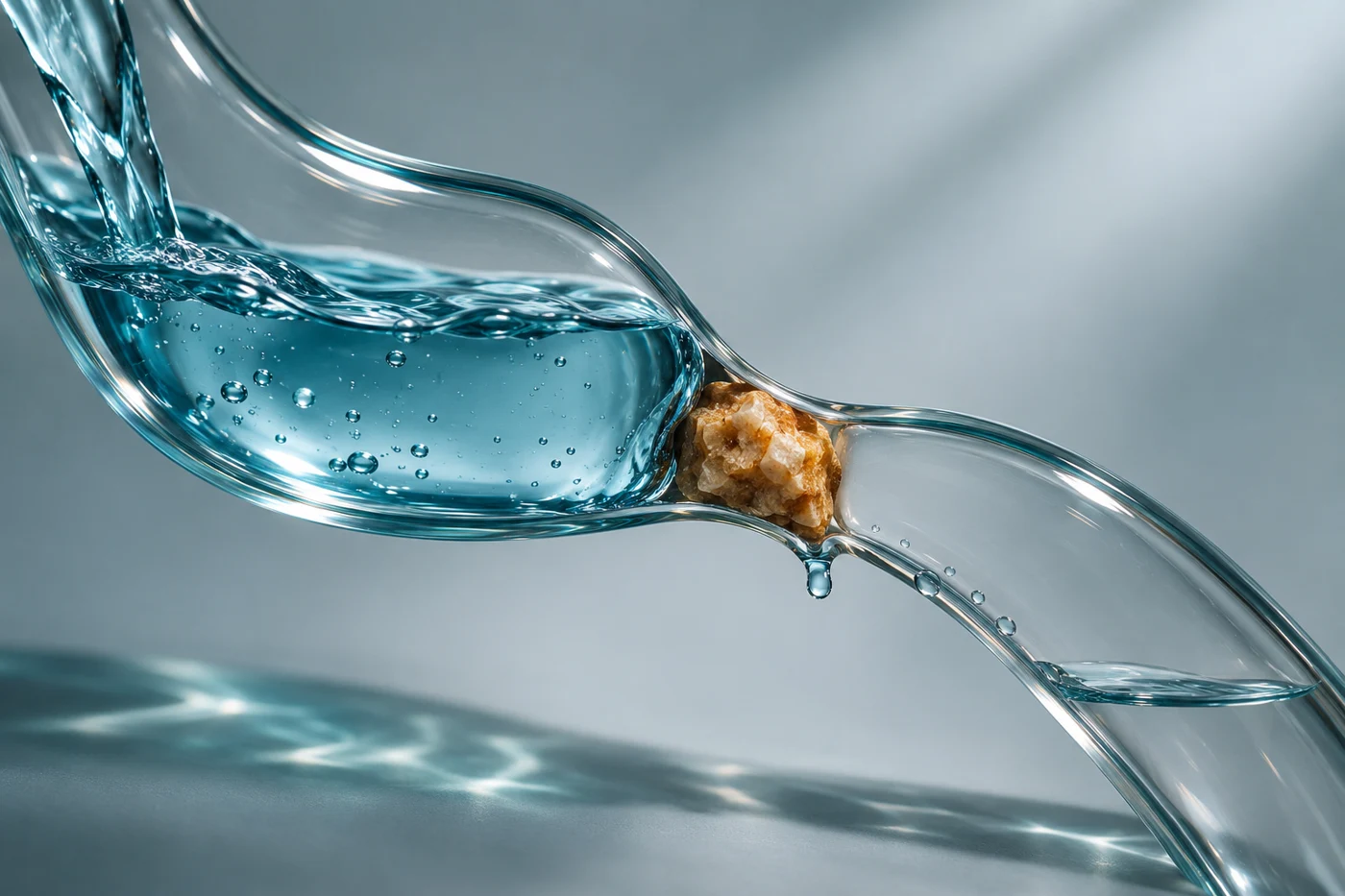
Less pain than spark-gap lithotripsy,
with a lower out-of-pocket burden:
electromagnetic shock wave lithotripsy.
A urology specialist reviews symptoms and results, selecting a plan according to the location and condition of the stone.
Shock waves delivered from outside the body are focused on the stone to fragment it. Electromagnetic treatment has reported effectiveness even for high-density stones; size and location are also considered.
Digital X-ray, PACS imaging and ultrasound assess stones and the urinary tract and help locate the treatment target.
If lithotripsy is suitable after testing, treatment can proceed that day. We recommend a partner hospital if CT or additional assessment is needed.
Rather than testing everyone identically, we select investigations according to symptoms and stone characteristics.
Imaging assesses the stone, kidneys and urinary tract.
We check for blood, inflammation and other urine abnormalities.
Contrast imaging may provide further urinary tract assessment when clinically needed.
We also discuss stone composition analysis and related blood tests during care.
If CT is needed, we refer to a partner hospital.
We ask where and when pain began, previous stone treatment and current medicines. Bring earlier CT images or test records if available.
We assess stone location, size and infection to explain whether lithotripsy or another treatment is needed.
When appropriate, lithotripsy is performed with imaging to identify the target. We monitor your condition and pain response throughout treatment.
After lithotripsy, we assess stone passage and remaining fragments. Results guide additional treatment and recurrence prevention.
Stone pain with fever, chills or inability to pass urine needs urgent assessment. At night or on holidays, please go to an emergency department.
Same-day diagnosis and lithotripsy are possible. However, results, infection, medicines and stone characteristics may mean other tests or treatment are needed first. Call before visiting for guidance.
Lithotripsy breaks a stone into small pieces that take time to pass. Follow-up checks for residual stones guide further treatment.
Tell us about previous pain and treatment. We use electromagnetic equipment, monitor your response and consider pain control.
Electromagnetic lithotripsy may be considered for dense stones depending on the situation. Size, location and previous results also help determine an appropriate option.
A CT beforehand is not required. We decide on investigations after assessment and arrange referral if CT is needed. If you already have one, bring the images and report.
Original medical information reviewed: 4 November 2026
81 Naeoejungang-ro, Gimhae-si · Donghwa Sun Plaza, 7th floor
Urology enquiries: 055-321-2282